What Is Light & Heavy Duty Towing and What’s the Difference?
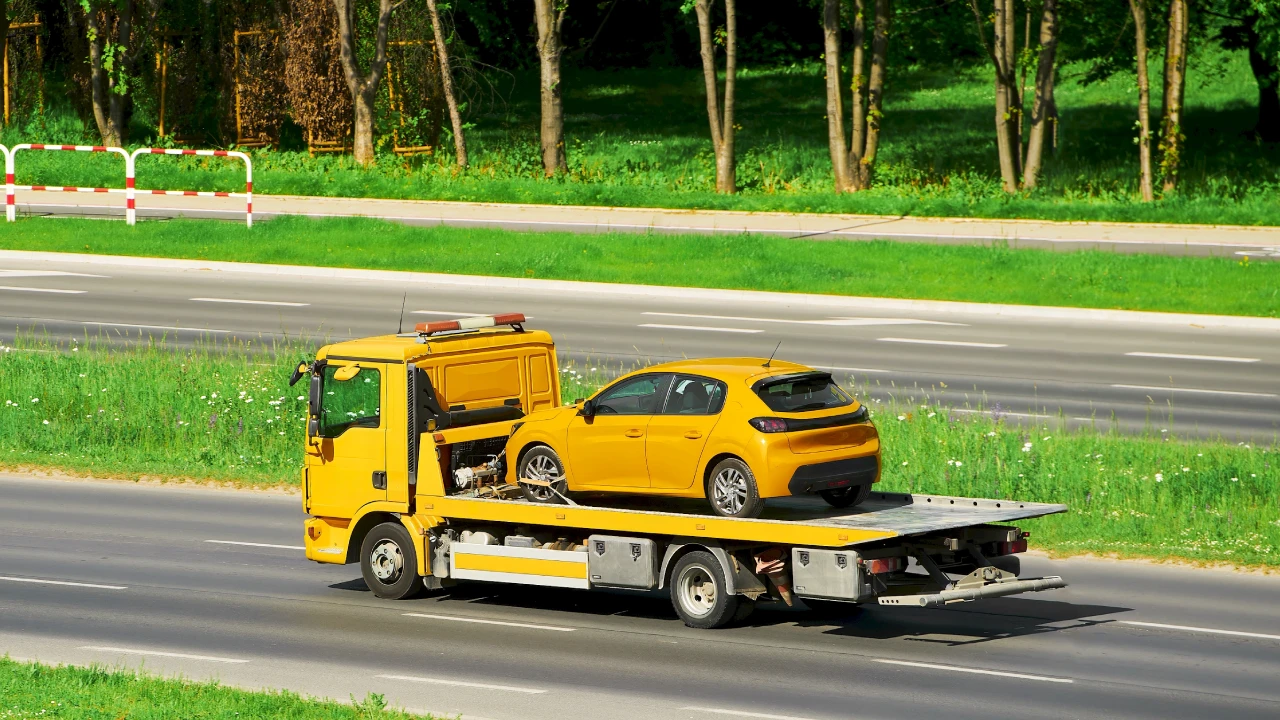
Understanding Light & Heavy Duty Towing: Choosing the Right Service for Your Vehicle
Vehicle breakdowns can happen anytime, and not all towing needs are the same. Some vehicles require simple towing, while others need specialized equipment and expertise. That’s where light and heavy-duty towing comes into play. Understanding the difference helps you choose the right service and avoid further damage to your vehicle.
In this blog, we’ll explain what light and heavy-duty towing is, how each type works, and why choosing a trusted provider like Spire Towing & Recovery in Marie is important.
What Is Light Duty Towing?
Light-duty towing focuses on smaller and standard vehicles. It uses compact tow trucks designed to handle everyday cars safely and efficiently.
Vehicles Covered in Light Duty Towing:
- Cars and sedans
- Motorcycles
- Small SUVs
- Minivans
Light-duty towing works best for common roadside issues such as breakdowns, flat tires, or minor accidents.
What Is Heavy Duty Towing?
Heavy-duty towing handles larger and heavier vehicles that require more power and specialized equipment. These jobs need experienced operators and advanced tow trucks.
Vehicles Covered in Heavy Duty Towing:
- Trucks and trailers
- Buses
- Construction vehicles
- Commercial vehicles
Heavy-duty towing often comes into play during major breakdowns, accidents, or when large vehicles get stuck.
Key Differences Between Light & Heavy Duty Towing
Understanding the differences between light and heavy-duty towing helps you make the right decision during emergencies.
1. Vehicle Size and Weight
- Light-duty towing handles smaller, lightweight vehicles
- Heavy-duty towing manages large and heavy vehicles
2. Equipment Used
- Light-duty uses flatbed or wheel-lift tow trucks
- Heavy-duty uses powerful rotator trucks and heavy wreckers
3. Skill Level Required
- Light-duty requires standard towing skills
- Heavy-duty requires specialized training and experience
4. Types of Situations
- Light-duty work for everyday breakdowns
- Heavy-duty is used for complex recoveries and large accidents
How Does Light & Heavy Duty Towing Work?
The process of light and heavy-duty towing is straightforward but depends on the type of vehicle and situation:
1. Call the Service Provider
Contact Spire Towing & Recovery and explain your situation clearly.
2. Vehicle Assessment
The team evaluates your vehicle type and condition to decide the right towing method.
3. Dispatch the Right Truck
They send either a light-duty or heavy-duty tow truck based on your needs in Marie.
4. Secure the Vehicle
The operator carefully attaches your vehicle using proper equipment to prevent damage.
5. Safe Transportation
They transport your vehicle to a repair shop, home, or another safe location.
When Do You Need Light or Heavy Duty Towing?
Knowing when to choose light and heavy-duty towing can save time and prevent complications.
You Need Light Duty Towing When:
- Your car breaks down on the road
- You have a flat tire with no spare
- Your battery dies
- Your vehicle needs short-distance towing
You Need Heavy Duty Towing When:
- A truck or bus breaks down
- A commercial vehicle gets into an accident
- Large vehicles get stuck in mud or a ditch
- Equipment transportation is required
Benefits of Professional Towing Services
Choosing a professional light and heavy-duty towing service offers several advantages:
- Safety First – Experts handle your vehicle carefully
- Proper Equipment – Right tools for every situation
- Quick Response – Fast help reduces waiting time
- Damage Prevention – Protects your vehicle from further harm
- 24/7 Availability – Help anytime you need it
Why Choose Spire Towing & Recovery in Marie?
When you need dependable towing, Spire Towing & Recovery stands out in Marie. They provide:
- Fast and reliable service
- Skilled and experienced operators
- Advanced towing equipment
- Affordable and transparent pricing
- 24/7 emergency assistance
Their team ensures your vehicle receives the right care, whether it’s a small car or a heavy truck.
Safety Tips While Waiting for Towing
While waiting for light and heavy-duty towing, you should take simple precautions:
- Turn on hazard lights
- Move your vehicle to a safe location if possible
- Stay inside your vehicle on busy roads
- Keep emergency contacts handy
- Avoid trying risky repairs yourself
Final Thoughts
Understanding the difference between light and heavy towing helps you make better decisions during emergencies. Light & Heavy-duty towing ensures that every type of vehicle gets the right support, whether it’s a small car or a large truck.
If you’re in Marie, Spire Towing & Recovery provides reliable and professional towing services for all vehicle types. With the right team by your side, you can handle any roadside situation with confidence and ease.